This article may contain affiliate links. If you buy through them, Fresh Faced Living may earn a small commission at no extra cost to you. Learn more.
The phrase “let your skin breathe” gets repeated so often that it has lost most of its meaning. Skin does not breathe through the pores the way lungs breathe through air. But a day without foundation, concealer, or powder does change what is happening on the surface, and it is worth separating the parts that are measurable from the parts that are just comfort.
What is actually different on a bare face day
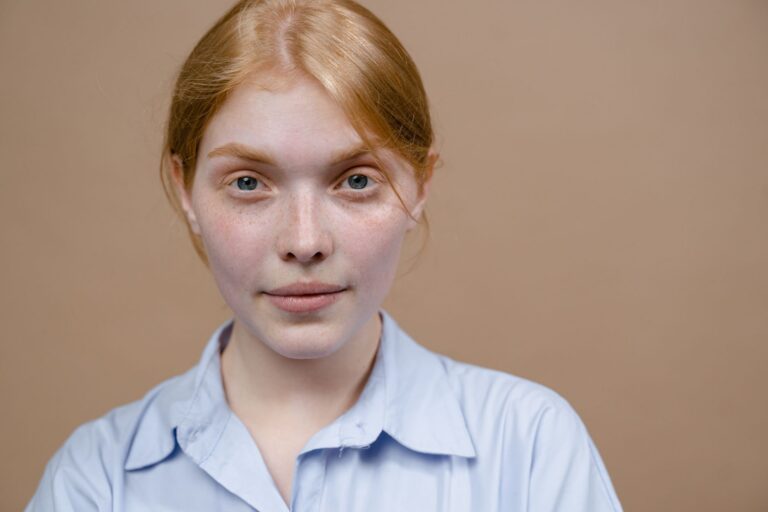
When a base product is not applied, three things change immediately. First, there is no added film sitting on top of the skin, so anything the skin produces on its own, oil, sweat, dead cell buildup, is not trapped under a layer of pigment and silicone. Second, there is nothing to remove at the end of the day beyond a regular cleanse, which means one less round of friction and rubbing on the skin. Third, whatever texture or redness is present is visible rather than blurred, which changes how a person reads their own skin that day, even if the skin itself is unchanged.
None of this means the skin is detoxing or purging. Skin does not store toxins from makeup that then need to be released. The honest description is simpler: less product means less to interact with and less to remove.
Where people notice a difference
The most common report from a full day without base makeup is that skin feels less warm or less congested by evening. This lines up with a basic mechanical fact: heavier formulas, especially long wear or full coverage ones, sit closer to the skin and can trap sweat and oil underneath, particularly in warm weather or after physical activity. Removing that layer for a stretch of time reduces that specific source of friction.
People with acne-prone or reactive skin sometimes notice fewer new breakouts after a few consecutive bare days, though this is hard to separate from other variables like diet, stress, or a change in cleanser during the same window. A single data point rarely proves cause and effect here.
What does not change
A rest day does not undo sun exposure from the days before, does not reverse existing texture, and does not change oil production, which is driven by hormones and genetics, not by whether foundation was worn. It also will not fix a reaction that was never caused by makeup in the first place, such as one triggered by a new laundry detergent or a change in diet.
It is also worth being direct about sunscreen. Skipping makeup is not a reason to skip sun protection. A bare face day still needs SPF if there is any meaningful time outdoors. Confusing “no makeup” with “no products” is a common mistake.
How to actually track whether it helps
Guessing whether bare days help tends to produce unreliable answers because memory is selective. A more useful method is to pick a stretch of two weeks, note on a simple calendar which days included base makeup and which did not, and separately note how skin looked and felt each morning using a consistent scale, for example a 1 to 5 rating for oiliness, redness, and any new bumps. After two weeks, the pattern is either there or it is not, and the answer will be more trustworthy than a same-day impression.
The value of a bare face day is not that it heals the skin. It is that it removes one variable, so if something changes, there are fewer explanations to sort through.
Frequency that makes sense
There is no fixed number of bare days a week that applies to everyone. Someone with dry, easily irritated skin may find that daily light coverage causes no issues at all. Someone with oily or acne-prone skin in a hot, humid climate may notice more benefit from regular breaks. The honest starting point is one or two bare days a week for a month, tracked the way described above, then adjusted based on what the notes actually show rather than what feels true in the moment.
The camera question
A separate issue from skin health is how bare skin reads on camera, which is covered in more detail elsewhere on this site. The short version: photos and video tend to exaggerate texture and shine because of how light and flash interact with skin, so a face that looks fine in a mirror can look different in a photo. That is a lighting and lens issue, not evidence that the skin itself got worse.
A reasonable summary
Skin rest days remove a layer of product and the friction of removing it, which some people notice as less congestion by evening. They do not reverse sun damage, existing texture, or hormonal oil production. The most reliable way to know if they help a specific person is a short tracked trial, not a single day’s impression.