This article may contain affiliate links. If you buy through them, Fresh Faced Living may earn a small commission at no extra cost to you. Learn more.
The claim shows up often, sleep on your side or stomach long enough and you will develop wrinkles from it. Like a lot of skincare advice, the underlying mechanism is real but frequently overstated in how it gets repeated. It is worth separating what is actually happening from the more dramatic version of the claim.
The mechanism is mechanical, not chemical
Sleep lines, sometimes called sleep wrinkles, form through repeated mechanical compression and folding of the skin against a pillow or mattress surface, night after night, over years. This is fundamentally different from the kind of aging caused by sun exposure or loss of collagen. It is closer to how a piece of paper creased in the same place repeatedly will eventually hold that crease even when unfolded.
Dermatologists distinguish sleep lines from dynamic wrinkles, the kind formed by repeated facial expressions, and from static wrinkles caused by sun damage and collagen loss. Sleep lines tend to run perpendicular to the direction of compression and are most often seen on the cheek and forehead in side sleepers, since that is where sustained, direct pressure against a pillow occurs.
Why it takes years, not nights
A single night, or even a few weeks, of side sleeping will produce a temporary crease that disappears within an hour or two of waking, the same way a crease in fabric relaxes once the pressure is removed. What changes the equation is repetition over a very long timeframe, plus the skin’s declining elasticity with age, which makes it slower to fully spring back from that pressure each time.
This is why sleep lines are much more of a concern for skin that has already lost some elasticity than for skin in its twenties, where a temporary crease from a pillow will bounce back reliably regardless of sleep position.
Back sleeping is the position dermatologists mention most
Sleeping on the back keeps the face free of direct surface contact for the whole night, which removes the mechanical compression that side and stomach sleeping introduce. This is the primary reason it comes up so often in skincare advice about sleep position, not because of anything else unique about lying face-up.
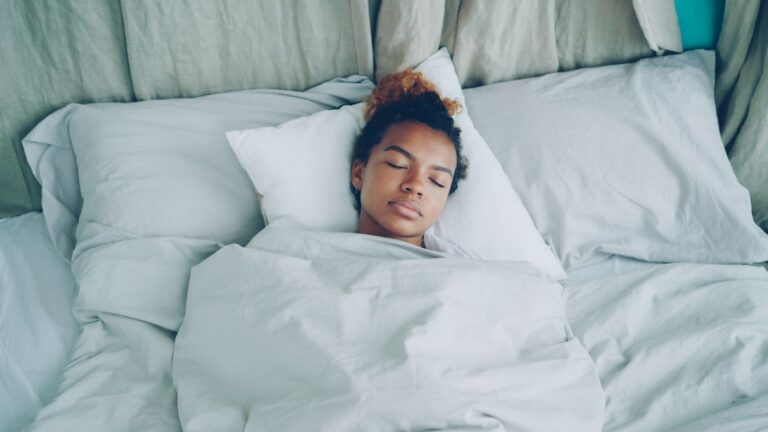
- Back sleeping: no direct facial pressure, generally the position least associated with sleep lines.
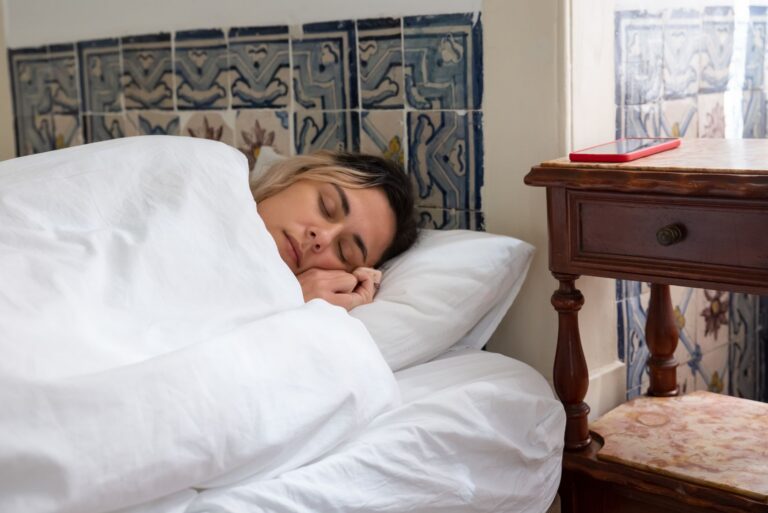
- Side sleeping: sustained pressure on one cheek and temple, most associated with sleep lines on that side of the face.
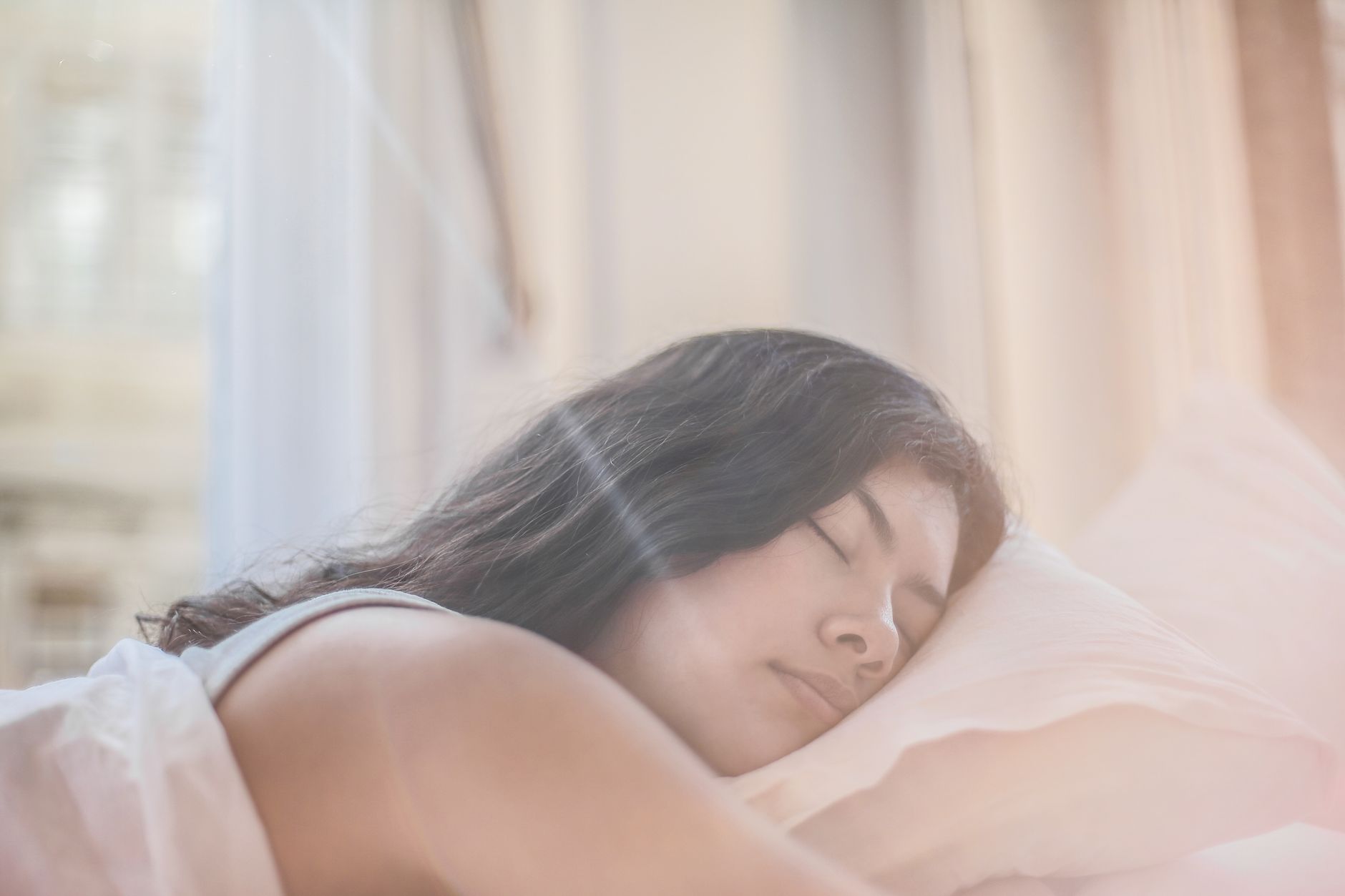
- Stomach sleeping: the face is pressed most directly and for the longest duration, generally considered the position most associated with sleep lines and also linked to neck strain.
What actually moves the needle if you cannot change position
Sleep position is largely unconscious. Most people cannot reliably stay on their back through a full night just by deciding to, and prioritizing sleep quality over enforcing a specific position is the more practical guidance most sleep specialists give. A few adjustments reduce the mechanical impact without requiring a full position change.
- A silk or satin pillowcase reduces surface friction, so the skin is more likely to glide rather than fold and hold a crease.
- A pillow shaped to reduce direct facial contact, which exists as a product category specifically marketed around this concern.
- Simply being aware that sleep lines are a long-term, cumulative effect, not something caused by a handful of nights, which helps put the concern in proportion.
Sleep lines are a real, mechanical phenomenon, but they are a slow, cumulative one. They are not evidence that a single night of side sleeping has done lasting damage.
Where this fits with everything else that ages skin
Sun exposure and collagen loss remain the dominant, well-documented drivers of visible skin aging over a lifetime. Sleep position is a smaller, more mechanical contributor that mostly matters over years of repetition and becomes more visible as skin elasticity naturally declines with age. It is worth knowing about, but it is not worth losing sleep over, which would defeat the purpose either way.
How to tell a sleep line from other kinds of lines
Sleep lines have a few identifying features that separate them from expression lines or sun related lines. They tend to appear on the side of the face or the forehead in a pattern that matches how a person typically lies against a pillow, and they are often more pronounced first thing in the morning before gradually softening over the day, at least in earlier stages before they become permanent. Expression lines, by contrast, form in the direction of repeated muscle movement, smile lines around the mouth, lines between the eyebrows from frowning, and do not follow a pillow-contact pattern. Sun related lines tend to be more diffuse across sun exposed areas rather than concentrated in the specific spots where a face meets a pillow.
Noticing which category a particular line falls into is mostly useful for understanding what is driving it, since sun damage, expression, and mechanical pressure each call for a different kind of attention, sunscreen and antioxidants for the first, nothing that reliably reverses natural expression for the second, and pillow and sleep position adjustments for the third.
Pillow shape and support also play a role
Beyond fabric, the shape and firmness of the pillow itself affects how much of the face makes direct contact with a hard, compressed surface. A very flat, worn out pillow tends to let the face sink in more fully, increasing the surface area under sustained pressure. Pillows designed with a contoured cutout for the face, or firmer pillows that support the head without allowing it to sink as deeply, are sometimes recommended specifically to reduce the amount of direct facial compression during side or stomach sleeping, independent of what fabric is used on top.
Is it worth trying to change sleep position
For most people, the honest answer is that consistent sleep quality is worth more than optimizing for a theoretical reduction in sleep lines decades down the line. Forcing an unfamiliar sleep position, back sleeping for someone who has always slept on their side, often disrupts sleep in the short term, which works against the broader relationship between sleep and skin health discussed elsewhere. A more realistic approach for people who are concerned about sleep lines specifically is adjusting the pillowcase material and pillow shape, changes that reduce mechanical impact without requiring a person to fight their natural sleep position every night.
This article is for general information and is not medical advice.